How We Make Our Robot

This page showcases our process for creating the robot.

Service 01/07

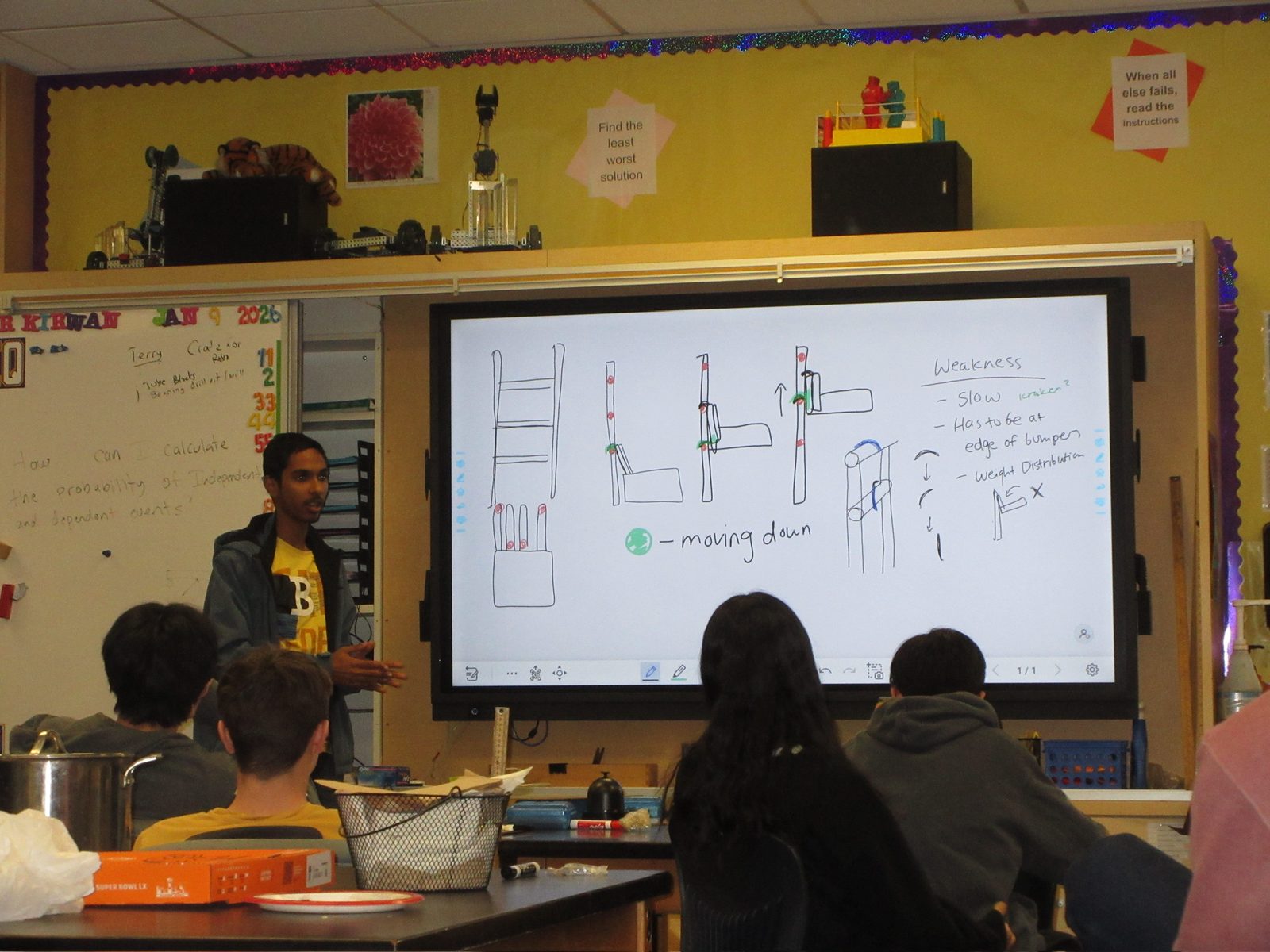
Design

Every robot starts in Solidworks. We work from template parts or model our own, and the design is arguably the longest stage of the season — which is why it is the one the whole team has to carry together.

Code is designed alongside the parts in Java, so a model that cannot be wired or driven is caught at the sketch rather than in the pit.

Next stage
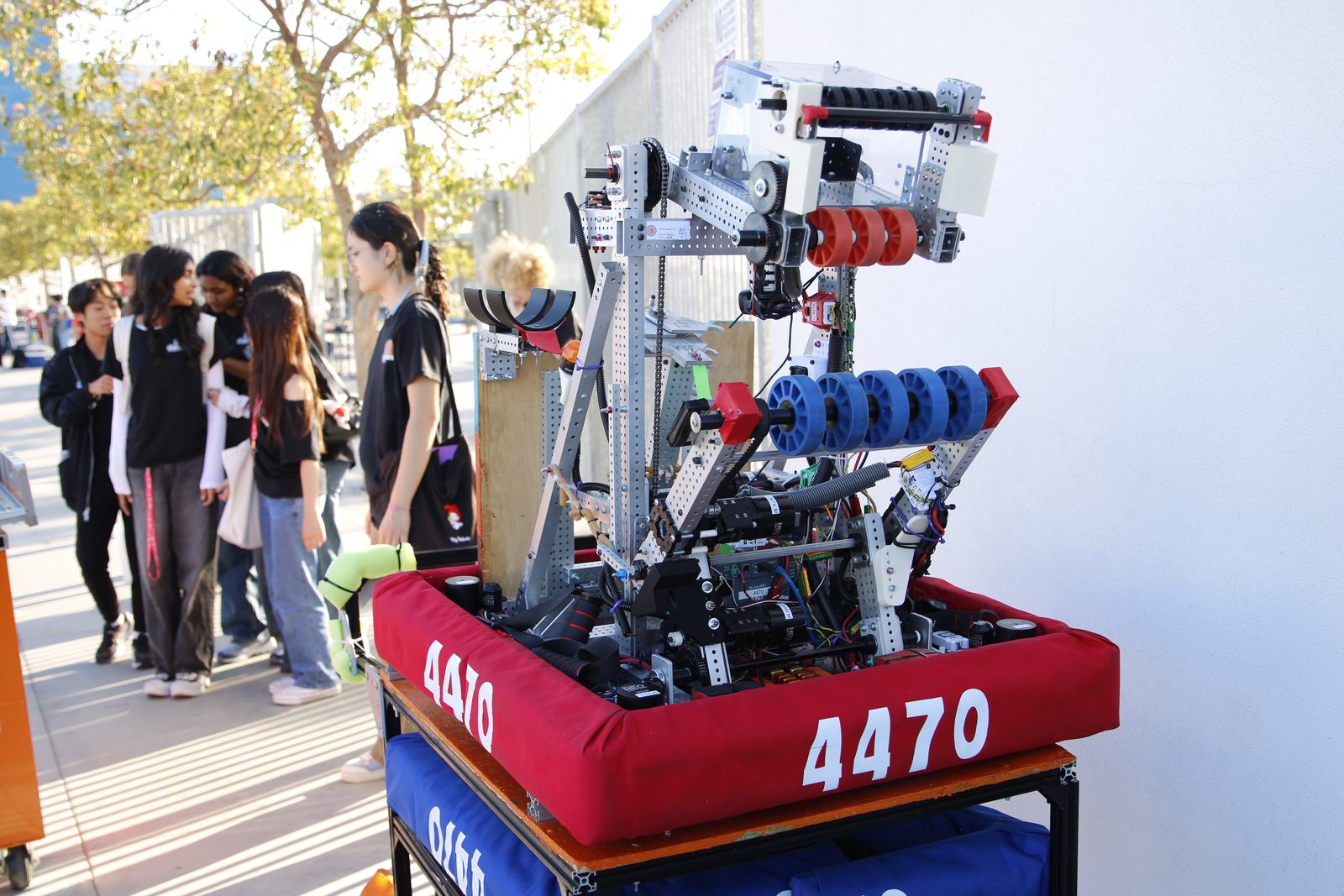
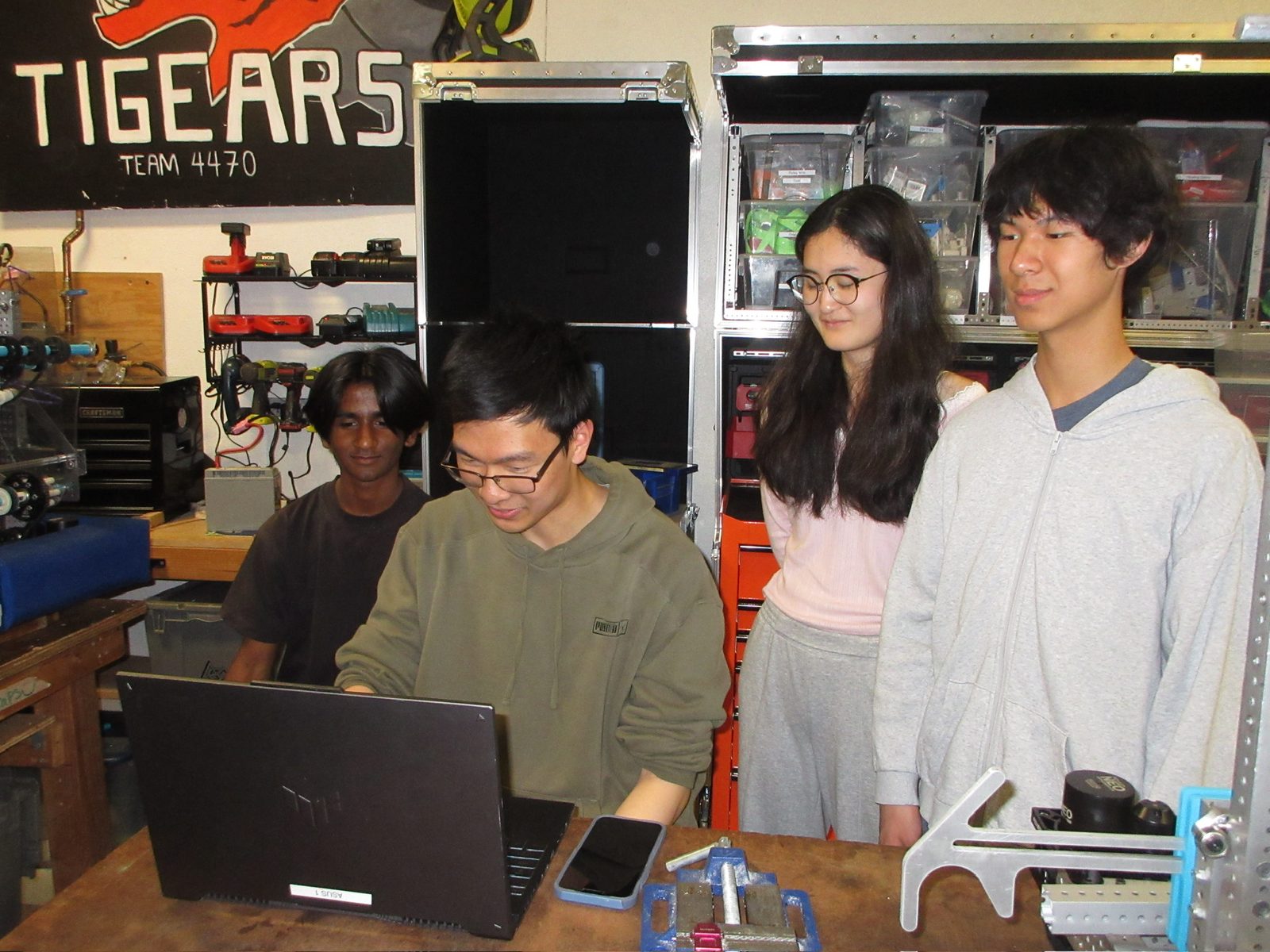
TiGears at the Design stage
Service 02/07

Shop

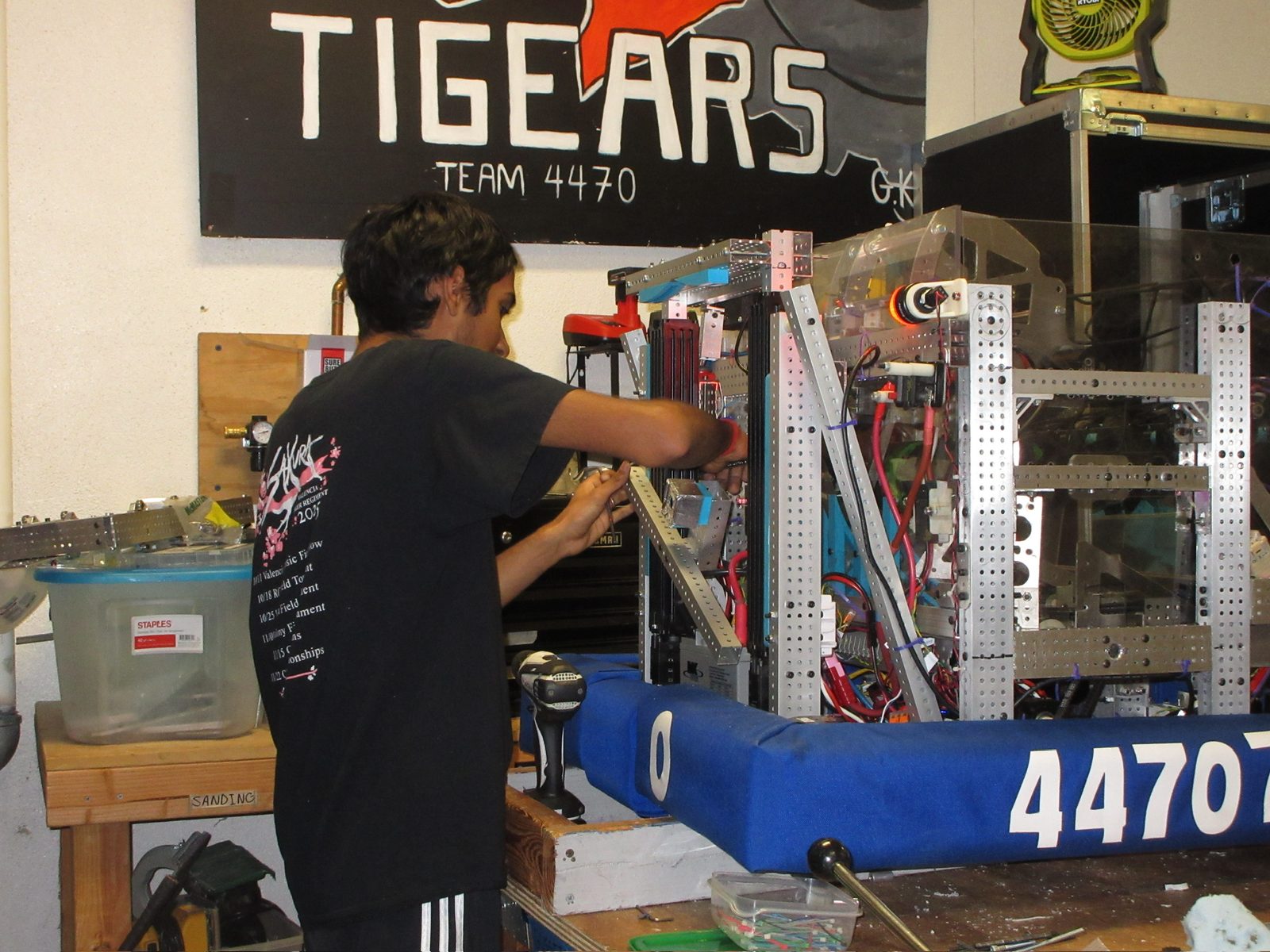
The shop is where the drawings become parts. Mechanical members machine on industrial-grade equipment — the water jet, the mill and the band saw — to tolerances a hand tool cannot hold.

Everything off the machines is checked against the model before it goes near the robot, because a part that is wrong here is wrong in every stage after it.

Next stage
TiGears at the Shop stage
Service 03/07

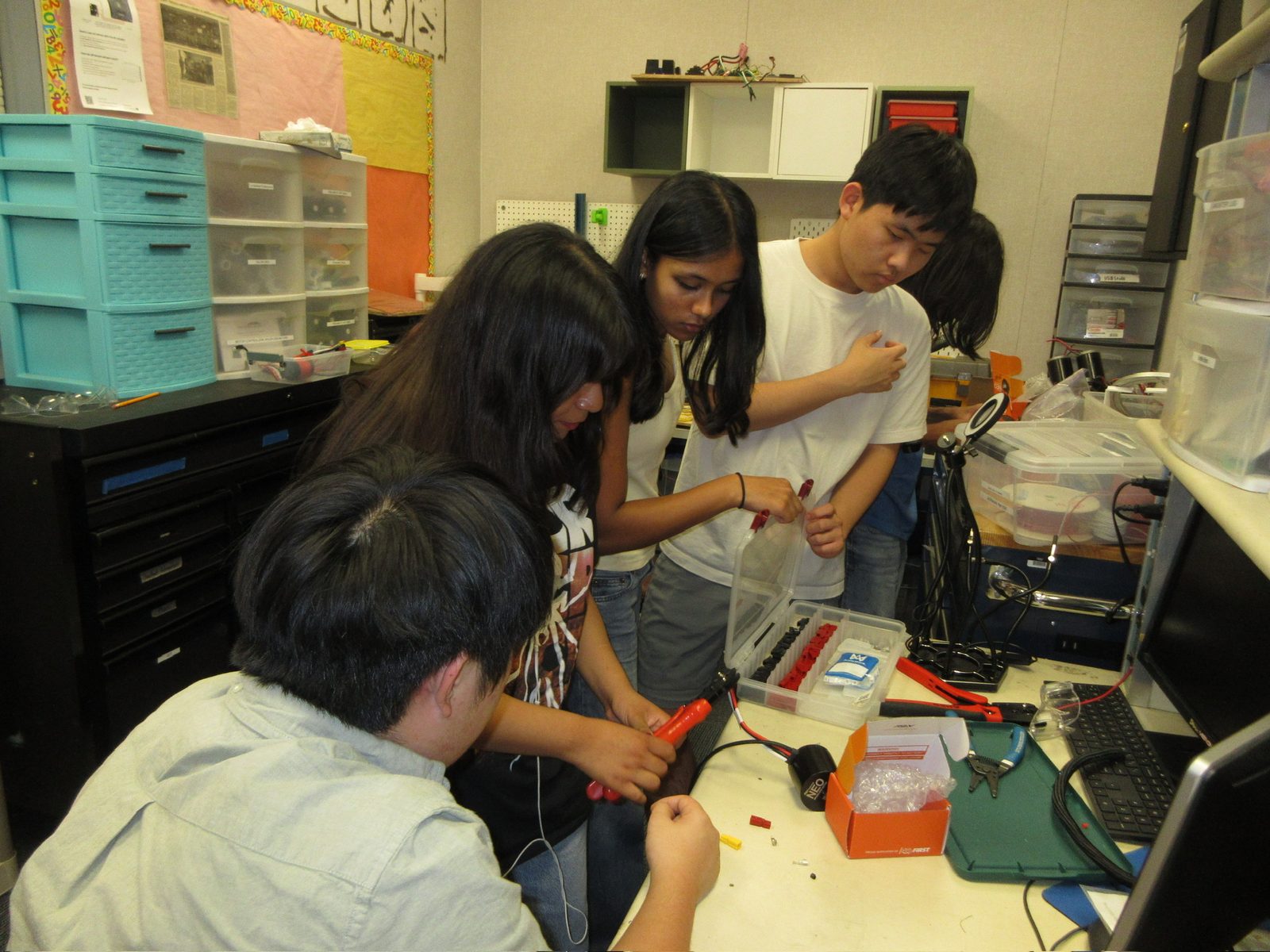
Electrical

While mechanical is cutting, electrical is already building the nervous system: power distribution, battery packs, signal wiring and the sensor placement the robot reads the field with.

The harness is planned rather than improvised, so a fault can still be traced end to end between matches, with the clocks running.

Next stage
TiGears at the Electrical stage
Service 04/07

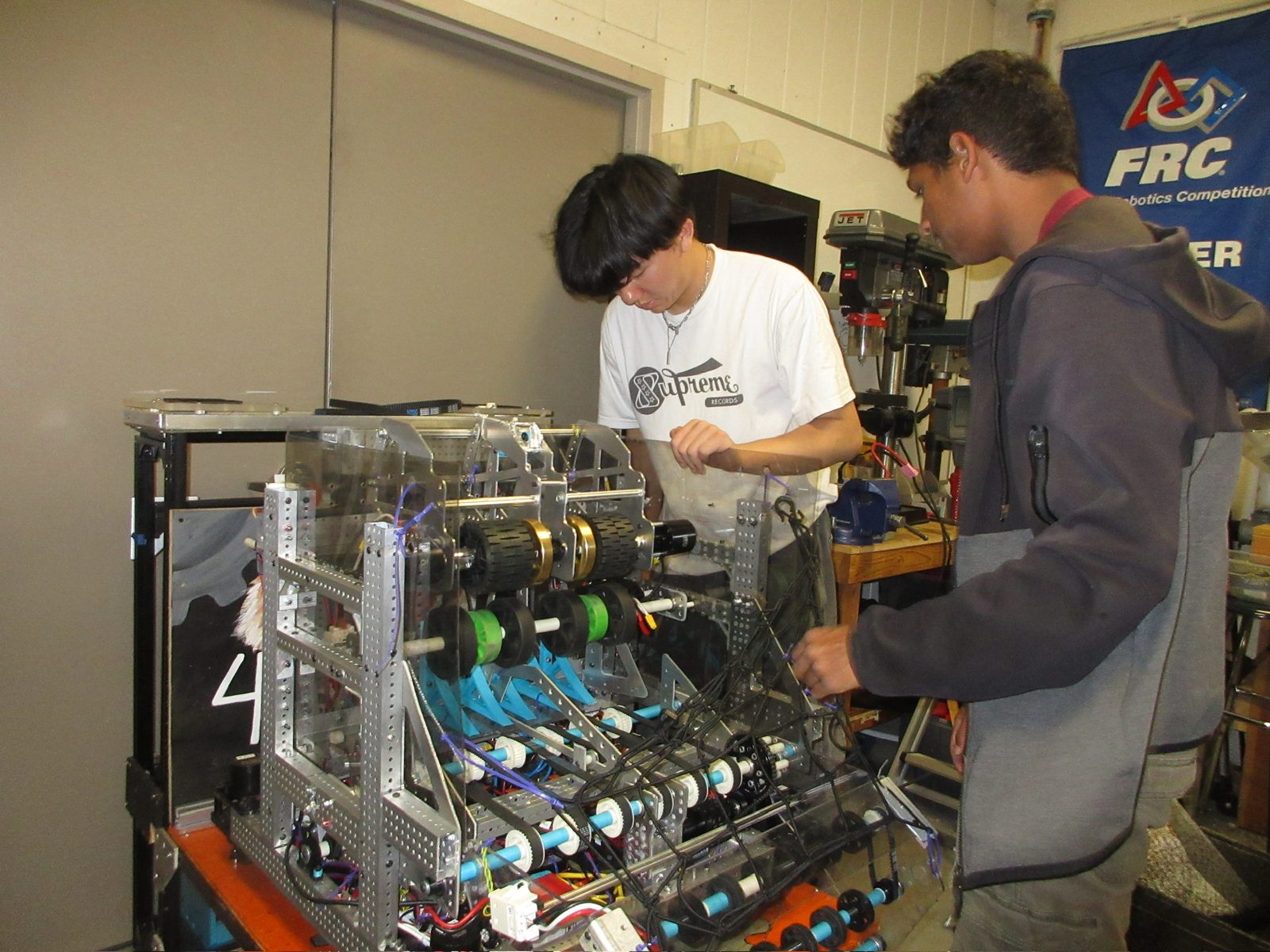
Assembly

The stages converge here. Subteams bring finished parts to the chassis, and electrical lays the wiring in as mechanical closes the frame — the robot stops being a pile of drawings.

This is also where the first real compromises are made: what fits, what has to move, and what gets redesigned by tomorrow.

Next stage
TiGears at the Assembly stage
Service 05/07

Programming

Programming starts before the robot exists. The team writes new subsystems for the year's game, re-uses what past seasons already proved, and builds the autonomous routines and operator interface around both.

Code is functionally complete before it is ever pushed to the robot, and then tested until the behaviour on the field matches the behaviour on the laptop.

Next stage
TiGears at the Programming stage
Service 06/07

Test

Testing is its own stage, not a step at the end of the others. Practice runs are logged, the diagnostics are read after every one, and the failures are fixed in the shop rather than on the field.

A robot that has only ever been driven once has not been tested — it has been demonstrated.

Next stage
TiGears at the Test stage
Service 07/07

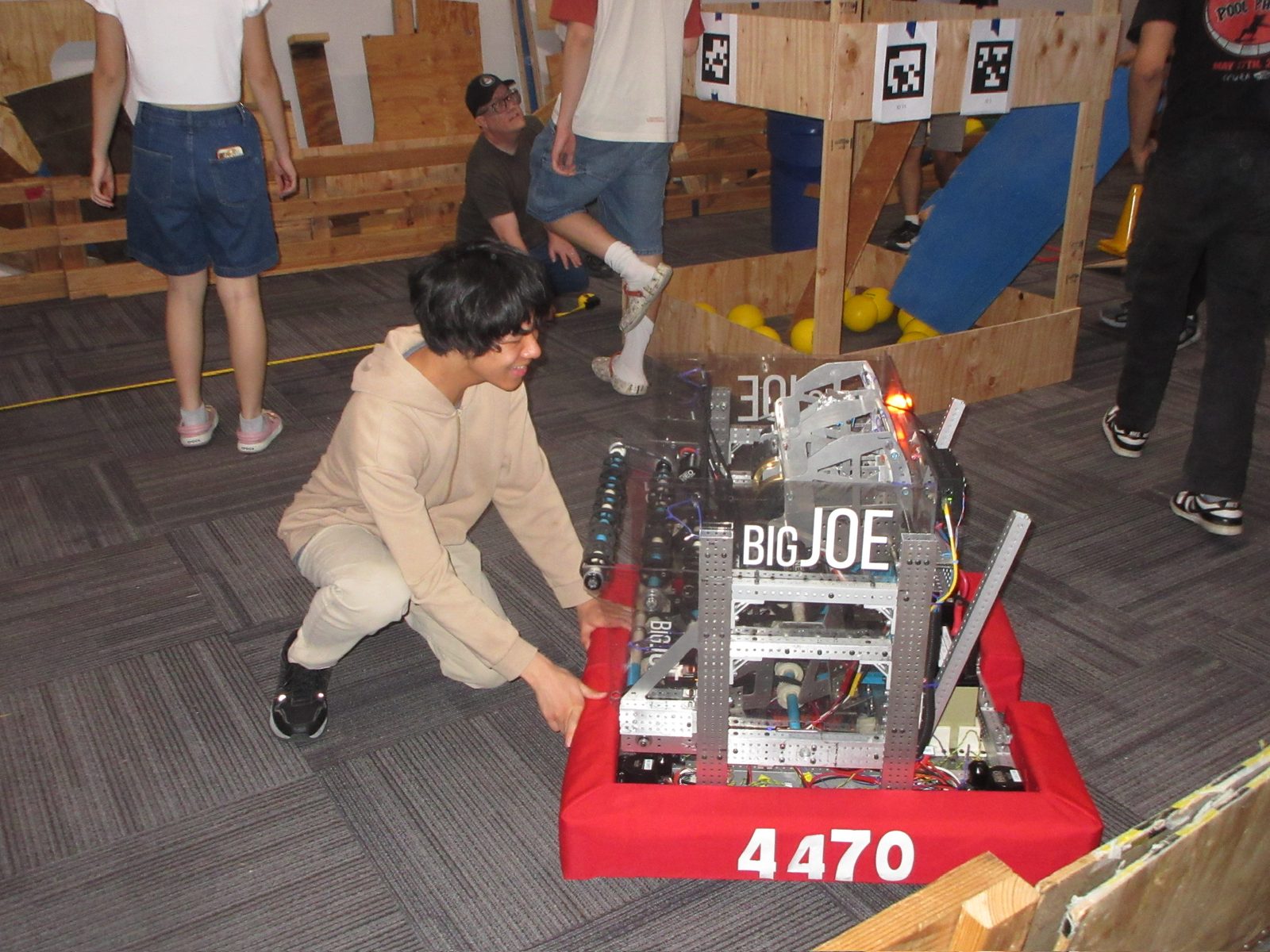
Competition

The season ends in the pit. A drive team takes the robot to district events while the rest of the team repairs, scouts and talks to judges and sponsors.

Gracious Professionalism is scored as hard as the matches are, and it is the reason the team keeps its alliances across seasons.

Talk to us
TiGears at the Competition stage

Seven stages, one season

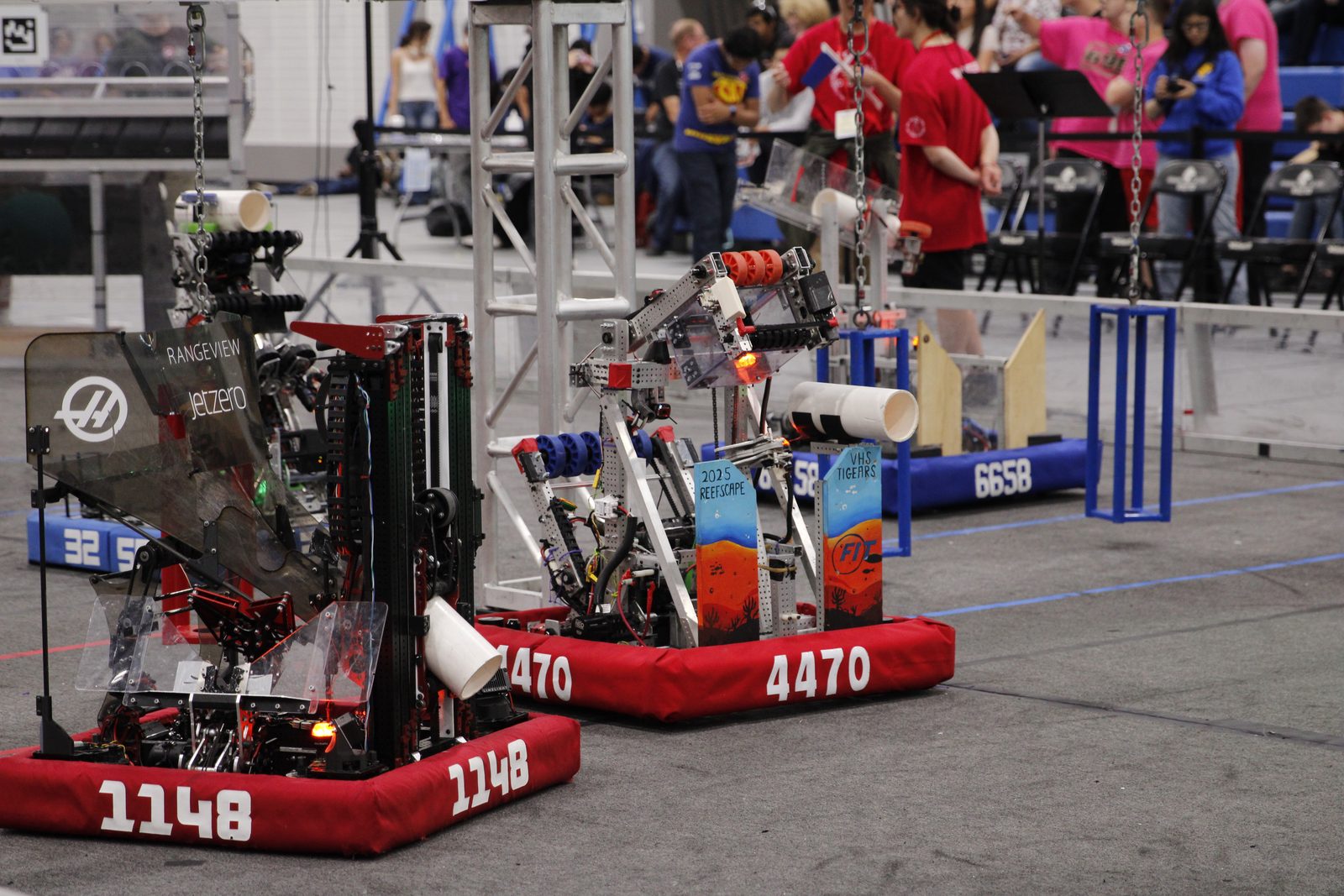
The same photographs the stages above are built out of, cut together: the sketch, the shop, the harness, the code, and the robot on the field.

Seven stages, one robot.

The team that designs it is the team that builds it, wires it, programs it and drives it. Come and see the shop, or ask us how a season works.